

The benefits of our testing
Evidence before decisions
Testing shows what condition the installation is really in before money is spent.
More than visible checks
We assess wiring, protection, earthing and bonding, not just what looks worn.
Clear next steps
You get practical guidance on defects, risk and likely remedial priorities.
Testing tells you more than a quick look ever will
A consumer unit can look tidy and still hide trouble. Testing is how you stop guessing. We carry out visual inspection and instrument testing to assess fixed wiring, circuits, protective devices, earthing and bonding in domestic and commercial properties. With Martin and Son Electrical Ltd, you can arrange electrical safety testing when a property changes hands, faults keep returning, maintenance is due or something about the installation simply does not feel right. It gives you evidence to work from, not assumptions based on what can be seen from the doorway.

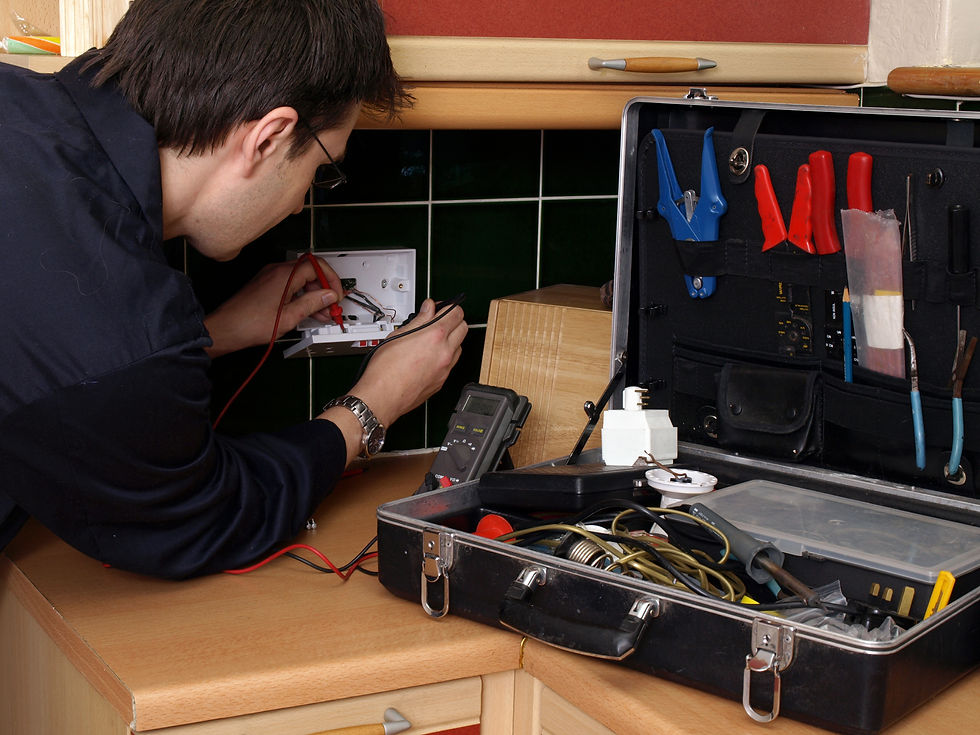
Useful results, not just numbers on a sheet
Before testing starts, we usually need access to the consumer unit or distribution board, sockets, switches and representative circuits around the property. During the visit, we identify defects, safety concerns and areas that need more investigation or remedial work. That helps you make sensible maintenance and repair decisions rather than replacing random parts and hoping for the best. We explain everything with clear language, transparency and an attention to the next steps.
Frequently asked questions
What parts of the installation get tested?
That depends on the property, but testing can cover fixed wiring, circuits, protective devices, earthing, bonding and the distribution equipment. We also carry out visual checks, because what is connected and how it is arranged matters just as much as the meter readings.
Will the power need to be turned off?
Some testing may require temporary interruption of circuits so the installation can be checked properly. We discuss that in advance where possible, especially on occupied properties or working sites where timing matters and some areas need a bit more planning.
What if the testing shows a problem?
We explain what has been found, how serious it is and whether remedial work or further investigation is needed. That gives you a sensible basis for the next decision, rather than leaving you with a technical sheet and no clear idea what it means in practice.